
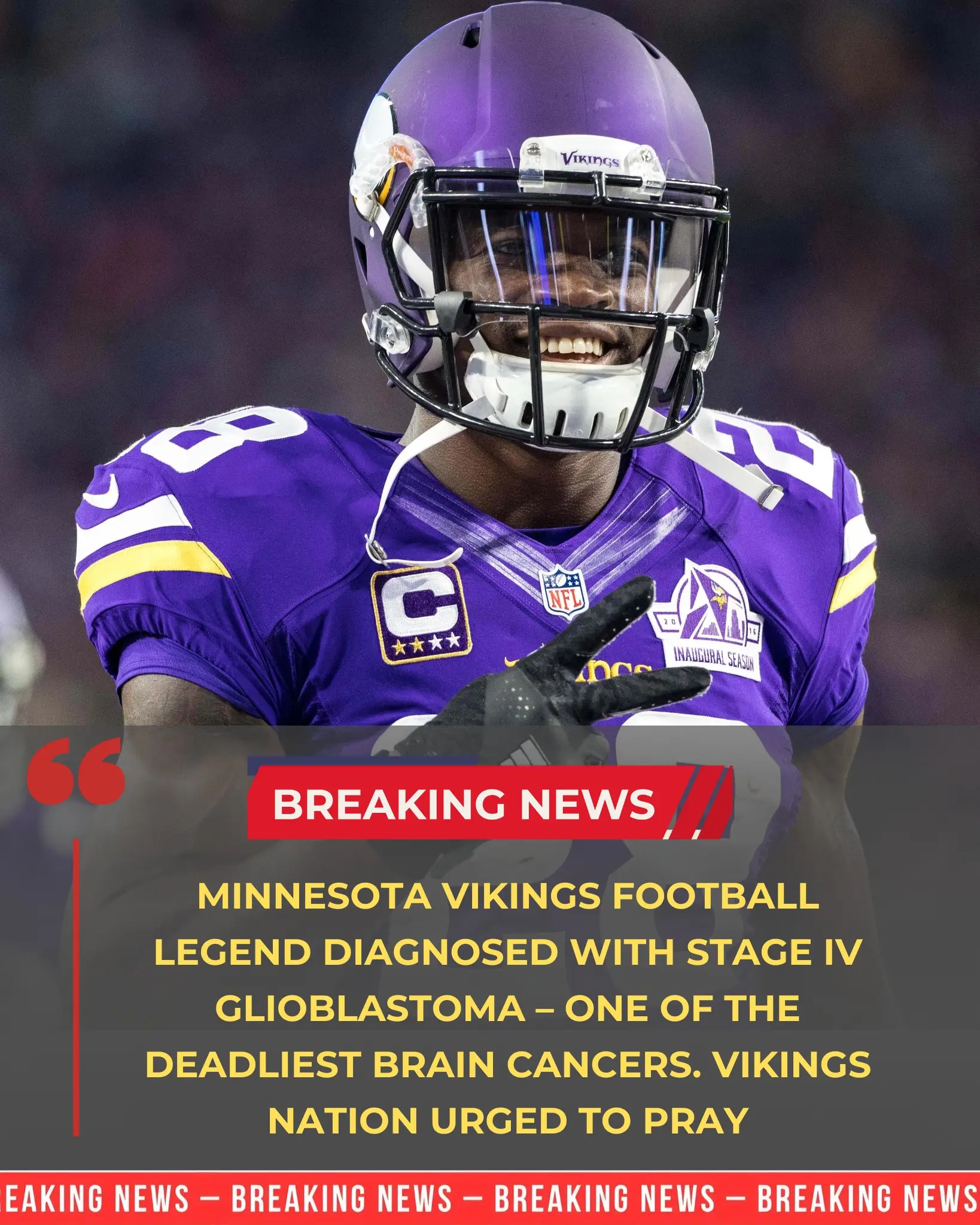
A Minnesota Vikings legend is currently facing one of the most challenging battles of his life after receiving a diagnosis of Stage IV glioblastoma, widely recognized as one of the deadliest forms of brain cancer. This aggressive tumor originates in the brain and grows rapidly within the confined space of the skull. Patients often experience sudden changes in daily functioning. The news has sent shockwaves through the Vikings community and beyond. Fans are rallying together to offer unwavering support during this difficult period.
Glioblastoma, also known as glioblastoma multiforme or GBM, ranks among the most malignant primary brain tumors in adults. It accounts for approximately half of all malignant gliomas diagnosed each year. The disease progresses quickly because tumor cells infiltrate surrounding healthy brain tissue. This infiltration makes complete surgical removal nearly impossible in most cases. Standard treatments aim to slow growth rather than eradicate the cancer entirely. Survival statistics remain sobering despite ongoing medical advancements.
The diagnosis typically follows symptoms such as persistent headaches, seizures, memory difficulties, personality alterations, and weakness on one side of the body. These signs can appear suddenly or worsen over weeks. Imaging tests like MRI scans reveal the tumor’s location and size. Biopsies confirm the aggressive nature through microscopic examination. Stage IV classification indicates high-grade malignancy with rapid proliferation. Doctors use molecular testing to identify specific mutations that influence treatment options.

For those affected, every day becomes a profound struggle against increasing pain, cognitive decline, and physical limitations. Strength fades as the tumor presses on vital brain areas responsible for movement, speech, and thought processes. Family members witness heartbreaking changes in their loved one’s abilities. Emotional tolls compound the physical challenges faced by everyone involved. Support networks prove essential in navigating this relentless progression.
The Minnesota Vikings organization has long celebrated its legends who embodied resilience, toughness, and competitive spirit on the field. These players left lasting legacies through memorable performances and leadership qualities. Now, one such icon confronts an opponent far more formidable than any defensive line or opposing quarterback. The team’s history includes stories of perseverance that inspire fans worldwide. This current fight echoes those same values in a deeply personal way.
Vikings Nation represents a passionate and loyal fanbase that spans generations across the country. Supporters wear purple proudly and gather at U.S. Bank Stadium for games filled with energy. When tragedy strikes one of their heroes, the community responds with overwhelming compassion. Messages of encouragement flood social media platforms. Fundraising efforts often emerge to assist with medical expenses and family needs.
Prayers form a powerful part of the collective response from fans everywhere. Many believe spiritual strength provides comfort during times of uncertainty. Churches, online groups, and personal devotions focus intentions on healing and peace. This unified outpouring creates a sense of solidarity that transcends distance. The simple act of praying together fosters hope amid despair.
Medical experts continue exploring innovative approaches to combat glioblastoma despite its reputation for resistance. Current protocols usually involve maximal safe resection followed by radiation therapy and chemotherapy with temozolomide. These treatments extend survival for some patients beyond initial expectations. Clinical trials test targeted therapies, immunotherapies, and novel drug delivery methods. Breakthroughs in understanding tumor genetics drive personalized medicine forward.
The blood-brain barrier presents a major obstacle in treating brain cancers effectively. It protects the brain but also blocks many medications from reaching tumors. Researchers develop techniques to bypass this barrier safely. Focused ultrasound and nanoparticle carriers show promise in early studies. These advancements aim to deliver higher drug concentrations directly to cancer cells.
Immunotherapy represents another frontier in glioblastoma research. It harnesses the body’s immune system to recognize and attack malignant cells. Checkpoint inhibitors and CAR-T cell therapies undergo evaluation in trials. Some patients experience meaningful responses that improve quality of life. Combination approaches pair immunotherapy with traditional treatments for potentially better outcomes.
Supportive care plays a crucial role throughout the treatment journey. Pain management, physical therapy, and psychological counseling address multifaceted needs. Palliative specialists help maintain dignity and comfort as symptoms evolve. Families benefit from resources that guide decision-making processes. Hospice services provide compassionate end-of-life support when appropriate.
The emotional impact on families cannot be overstated during such a diagnosis. Spouses, children, and close relatives often become full-time caregivers. Daily routines shift dramatically to accommodate medical appointments and changing abilities. Financial strains arise from treatment costs and lost income. Community assistance through meal trains and transportation help ease burdens.
Raising awareness about glioblastoma encourages greater funding for research initiatives. Advocacy groups organize events to highlight the urgent need for progress. Survivors and families share stories to humanize the statistics. Public figures who speak openly inspire others facing similar challenges. Increased visibility drives donations toward promising scientific efforts.
Scientific literature reports median survival for newly diagnosed glioblastoma around twelve to fifteen months with standard care. Factors such as age, overall health, and tumor genetics influence individual prognosis. Younger patients sometimes achieve longer survival periods. Molecular markers like MGMT methylation status predict better chemotherapy responses. Ongoing studies seek ways to extend these timelines meaningfully.
Prevention remains difficult because clear risk factors for glioblastoma prove limited. Prior radiation exposure increases susceptibility in some cases. Genetic syndromes contribute rarely. Most diagnoses occur without identifiable causes. Lifestyle modifications offer general health benefits but lack specific links to preventing this cancer.
The Vikings legend’s courage in facing this illness serves as an inspiration to many. His previous accomplishments on the football field demonstrated determination that now translates to battling disease. Teammates from past eras express solidarity through public statements. Current players honor his legacy by dedicating performances. The entire organization stands ready to provide assistance.
Fans can channel their emotions into positive actions beyond prayers alone. Participating in charity walks or donating to brain tumor foundations makes tangible differences. Sharing accurate information combats misinformation surrounding the disease. Encouraging open conversations reduces stigma associated with brain cancer.
Hope persists even within the harsh realities of Stage IV glioblastoma. Advances in neuroscience and oncology occur at accelerating paces. Collaborative international trials accelerate discovery processes. Artificial intelligence aids in analyzing complex tumor data. Future breakthroughs may transform current grim outlooks into manageable conditions.
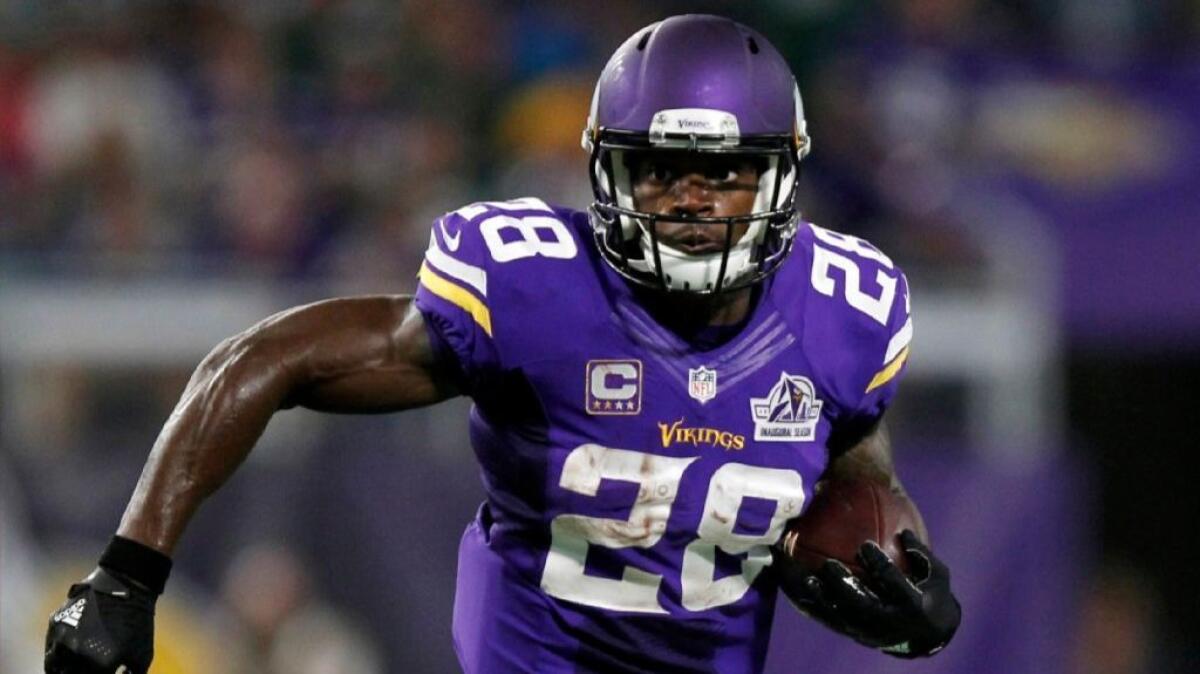
The power of community support shines brightest during darkest moments. Vikings Nation demonstrates remarkable unity when rallying around one of their own. Messages of love and encouragement reach the family consistently. This collective embrace provides strength that no individual could muster alone.
Every small gesture contributes to a larger wave of positivity. Lighting candles, wearing team colors in solidarity, or simply remembering the legend in thoughts matters profoundly. These acts reinforce bonds that define dedicated fanbases. They remind everyone that no one faces such trials in isolation.
The journey ahead remains uncertain and undoubtedly difficult for the affected legend and his loved ones. Yet the enduring spirit of perseverance continues to guide them forward. Medical teams work tirelessly to optimize available options. Research scientists pursue answers that could benefit countless future patients.
In closing, let Vikings Nation continue surrounding this hero and his family with heartfelt prayers and steadfast support. The fight against glioblastoma demands courage, compassion, and collective determination. Together, the community honors the legacy while holding space for hope. Strength emerges from unity in the face of adversity. May peace and comfort prevail throughout this challenging chapter.