
Duke Freshman Cameron Boozer Rejects $1 Million Sponsorship Deal, Citing Ethical Concerns Over Worker Exploitation
In a move that’s capturing widespread attention across college basketball and beyond, Duke Blue Devils freshman standout Cameron Boozer has publicly turned down a lucrative $1 million sponsorship deal from a major corporation. The decision, rooted in strong personal principles, highlights the growing role of ethics in the NIL (Name, Image, and Likeness) era and has sparked an outpouring of praise from fans, analysts, and fellow athletes.
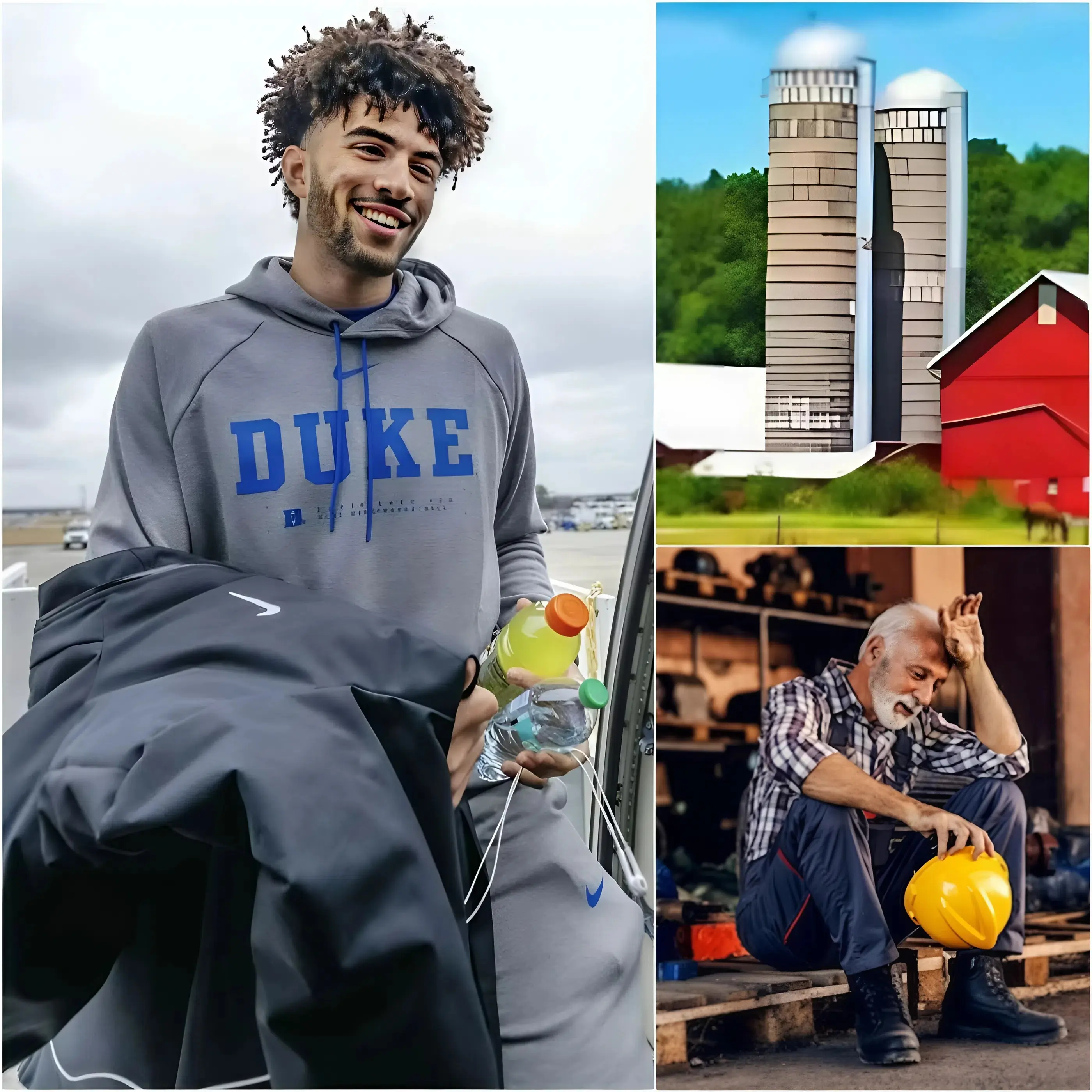
Boozer, the highly touted 6-foot-9 forward and son of former NBA All-Star Carlos Boozer, is already making waves in his debut season with the Blue Devils. Leading Duke in scoring, rebounding, and showing elite versatility on both ends of the floor, the former five-star recruit has quickly established himself as one of the top freshmen in the country. With an NIL valuation hovering around $1.8 million according to recent estimates from platforms like On3, opportunities for endorsement deals have come fast and furious since he arrived in Durham.
Yet, when presented with a multi-million-dollar contract from a prominent company—accused in recent years of paying below-living wages to factory workers and exerting heavy pressure on local suppliers and partners—Boozer didn’t hesitate to walk away. In a statement shared through his representatives and amplified on social media, he explained his reasoning with unflinching clarity.
“I’ve grown up in this environment long enough to understand it clearly, and I won’t profit from companies that exploit the community,” Boozer said. “I’ve spoken directly with people who are barely surviving day to day. I can’t attach my name to a company that’s harming the core values I believe in.”
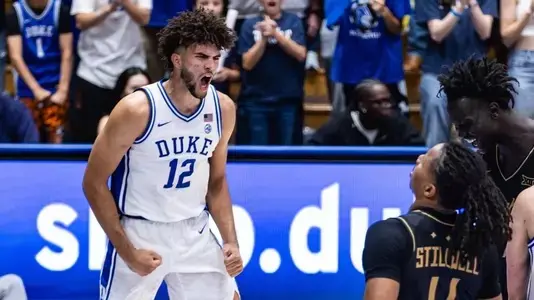
The remarks struck a chord immediately. The unnamed corporation has faced ongoing criticism from labor rights groups for its supply chain practices, including reports of low wages in overseas factories and aggressive tactics that squeeze small business partners. Boozer’s rejection underscores a broader conversation about corporate accountability in the NIL space, where young athletes now wield significant financial power but also face pressure to align with brands that may not match their values.
Social media erupted in response. Duke fans flooded platforms like X (formerly Twitter) and Instagram with messages of admiration. “A true icon of the younger generation,” one viral post read. Another called him “a real leader with genuine values, not just talent.” Hashtags like #BoozerStandsUp and #EthicsOverMoney trended briefly among college basketball circles, with supporters contrasting his stance against athletes who accept deals without scrutiny.
For Boozer, the decision appears deeply personal. Raised in a basketball family with strong ties to community and integrity—his father Carlos was known for his leadership both on and off the court—Cameron has often spoken about using his platform responsibly. His twin brother Cayden, also a Duke freshman and part of the same high-profile 2025 recruiting class, has similarly navigated the NIL landscape thoughtfully, including recent partnerships with brands like Jordan Brand that align with family legacy.
This isn’t Boozer’s first brush with major endorsement opportunities. He and Cayden recently joined an elite NIL class with Jordan Brand, a move that boosted their profiles and valuations. Those deals, focused on performance apparel and lifestyle, have drawn less controversy. The rejected offer, however, crossed a line for the young forward, who emphasized direct conversations with affected workers as a key factor in his choice.
The NIL landscape has evolved dramatically since its inception in 2021, with college athletes now able to monetize their personal brands freely. Duke, under coach Jon Scheyer, has embraced the era, building a program that attracts top talent partly through strong collective support and endorsement pathways. Boozer’s valuation has fluctuated—peaking near $2 million before minor dips—but his on-court production has kept him firmly in the national spotlight as a projected high lottery pick in the 2026 NBA Draft.
Critics of the decision might argue that passing on $1 million is a significant sacrifice, especially for a freshman still building his professional future. Yet supporters counter that the move sets a powerful example at a time when young athletes are increasingly viewed as influencers with real leverage. In an industry where endorsements can sometimes prioritize profit over principle, Boozer’s stand reminds everyone that values can—and perhaps should—guide choices.
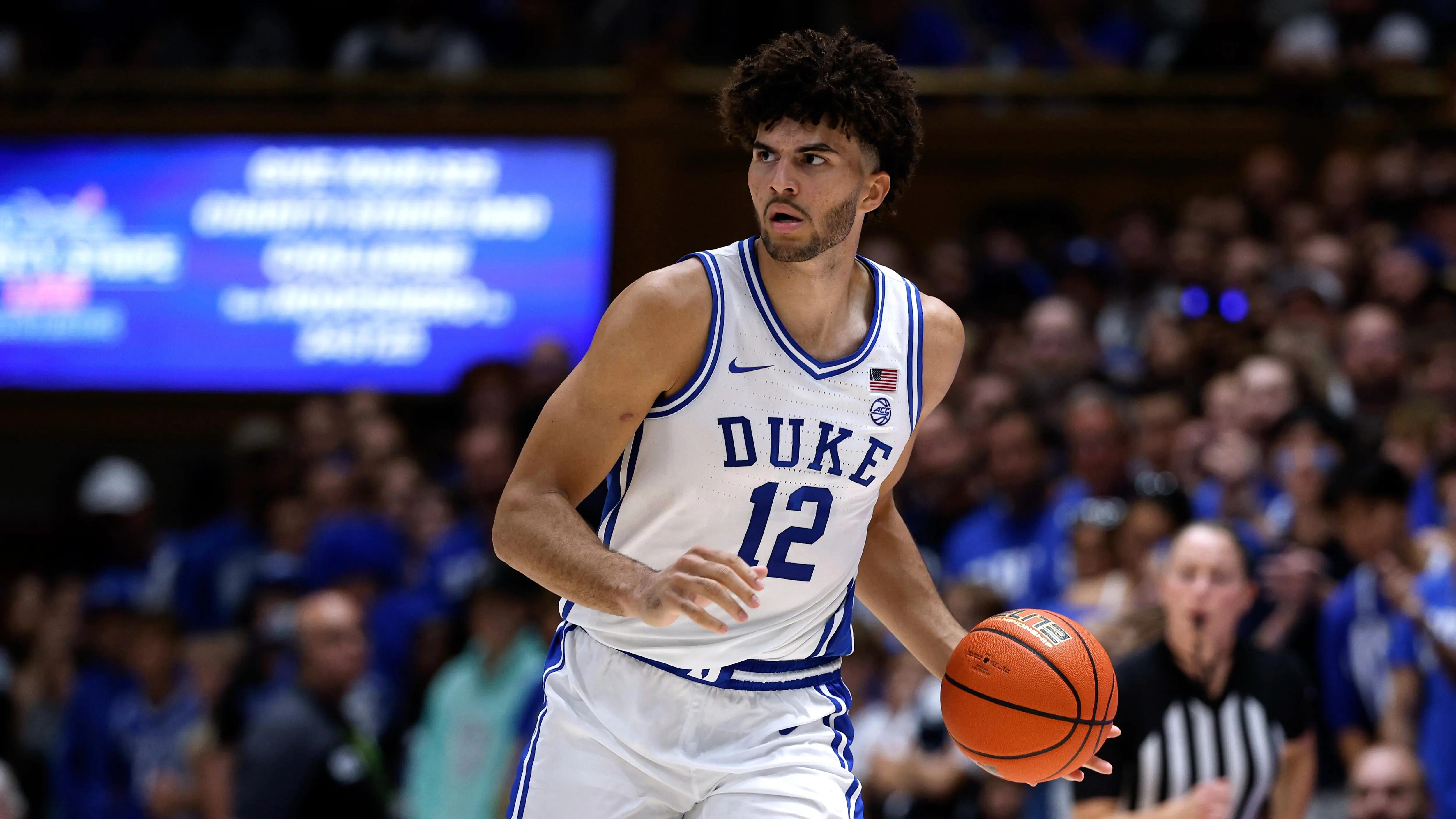
The Blue Devils, off to a strong start this season, continue to benefit from Boozer’s presence. His rejection hasn’t distracted from his play; if anything, it seems to have sharpened his focus. Teammates and coaches have privately praised his maturity, with one source close to the program noting that “Cameron leads by example, on and off the court.”
As the college basketball season progresses and NIL opportunities keep rolling in, Boozer’s bold rejection will likely be remembered as a defining moment. It challenges the narrative that young athletes are solely driven by money, proving instead that conviction can outweigh cash. In doing so, he’s not just building his resume for the NBA—he’s shaping a legacy as a principled leader in a changing sport.
Fans will watch closely to see what comes next. More deals will undoubtedly arrive, but Boozer has made it clear: any partnership must align with his beliefs. In an era of unprecedented earning potential for college stars, his message is simple yet profound—integrity isn’t negotiable.