
The gymnasium lights were still buzzing from another packed high school showcase when the nation’s most electric basketball prospect made it official: he was heading to Duke. In a single social media post that lit up timelines like a game-winning buzzer-beater, the top-ranked player in the 2026 class announced his commitment to the Blue Devils, instantly sending tremors through the entire college basketball world.
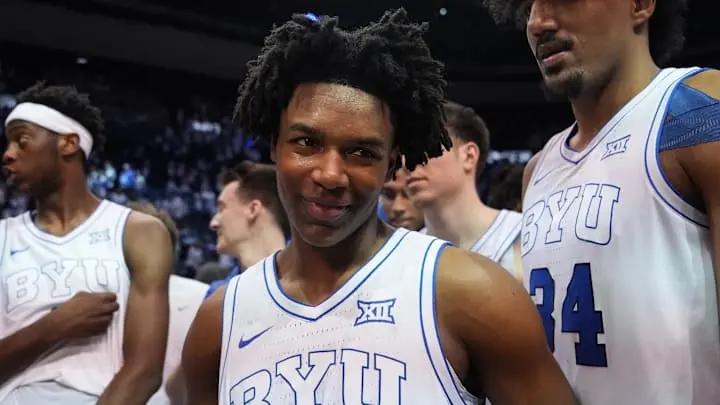
For months, the recruiting trail had felt like a heavyweight title fight. Kentucky, Kansas, North Carolina, and Michigan State—all blue-blood programs with championship banners hanging like trophies in a museum—circled the prize with relentless intensity. Analysts debated nightly on podcasts and television panels, breaking down visits, family ties, NIL opportunities, and coaching pitches. Many predicted a nail-biting finish between two or three traditional powers. Yet when the decision dropped, Duke emerged victorious once again, proving that in the modern era of college hoops, the allure of Cameron Indoor Stadium and the “Brotherhood” remains as magnetic as ever.
This isn’t just any recruit. We’re talking about a generational talent whose game blends jaw-dropping athleticism, elite skill, and an almost supernatural basketball IQ. Standing tall with a frame built for both dominance in the paint and versatility on the perimeter, he has dominated the high school circuit with averages that look more like video game stats: explosive scoring outbursts, rim-rattling dunks, lockdown defense, and playmaking vision that leaves defenders frozen in place.
Scouts describe him as the rare prospect who can single-handedly tilt a game’s momentum, the kind of player who makes teammates better simply by being on the floor. His highlight reels—filled with no-look passes, step-back threes, and chase-down blocks—have racked up millions of views, turning him into a household name long before he ever steps foot on a college court.
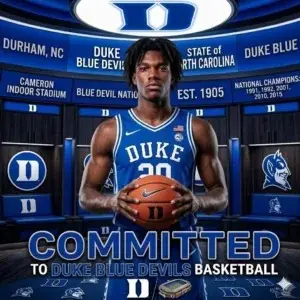
What ultimately tipped the scales toward Duke? Insiders close to the process point to a perfect storm of factors. The Blue Devils’ legendary player development track record spoke volumes; under head coach Jon Scheyer and his staff, one-and-done phenoms have repeatedly transformed into NBA lottery picks, polishing raw tools into professional-ready skill sets. The program’s culture of winning—rooted in decades of Final Four appearances, national titles, and an unmatched pipeline to the pros—offered the immediate chance to chase rings from day one.
Then there’s the spotlight: playing in the ACC, under the glare of national television, in one of the most iconic arenas in sports. Cameron Indoor Stadium isn’t just a venue; it’s a cauldron of energy where legends are forged and crowds become a sixth man.
“Durham felt like home the moment I stepped on campus,” the star reportedly told confidants, citing the genuine family atmosphere, the coaching staff’s detailed plan for his growth, and the opportunity to compete alongside other elite talents already committed to the 2026 class. Duke’s recent recruiting hauls have been nothing short of stacked, and adding this crown jewel solidifies their status as the clear No. 1 class in the nation. The synergy promises fireworks: imagine a frontcourt loaded with size and skill paired with guard play that can push the tempo and create easy buckets.
Early projections suggest this group could contend for ACC titles and deep NCAA Tournament runs right away, reshaping expectations for the upcoming season.
The ripple effects are already massive. Rival coaches are scrambling behind the scenes, reassessing their boards and pitches for remaining top prospects. When the undisputed No. 1 player in the country picks Duke over other blue-bloods, it sends a powerful message: the gravitational pull of the Blue Devils is stronger than ever in this new landscape of Name, Image, and Likeness deals, transfer portals, and high-stakes recruiting. Other five-star talents still on the fence are likely taking notice, potentially accelerating Duke’s momentum into future classes.
Analysts now whisper that programs missing out on this cycle may need years to recover the ground lost in talent acquisition.
For Duke fans, the excitement is palpable and infectious. Social media exploded within minutes of the announcement—#DukeBound trending nationwide, highlight compilations remixed with Cameron Indoor chants, and bold predictions of another national championship banner hanging from the rafters. “This kid is the missing piece,” one longtime supporter posted, capturing the collective sentiment. Parents of future recruits are already dreaming of visits, while alumni reminisce about past stars like Zion Williamson or Cooper Flagg who turned similar hype into reality.
The energy in Durham is electric, with season ticket demand spiking and students buzzing about potential starting lineups that could terrorize opposing defenses.
Yet inside the program, the focus remains refreshingly grounded. Coach Scheyer and his assistants know that landing a superstar is only the beginning. The real challenge lies in integration—building chemistry with returning players, refining schemes that maximize the new arrival’s unique strengths, and managing the immense expectations that accompany such a high-profile commitment. Hours of film study, individualized workouts, and team-building sessions await. Success in college basketball today demands more than raw talent; it requires mental toughness, adaptability to the speed of the college game, and a willingness to embrace the “process over the promise.”
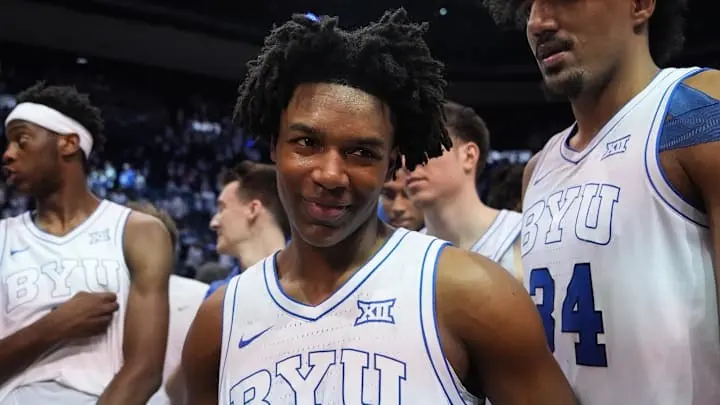
This commitment also underscores broader shifts in the sport. In an era where players can enter the transfer portal with ease and NIL collectives wield significant influence, traditional programs like Duke continue to thrive by leaning on heritage, development, and winning culture. Scheyer, who stepped into legendary shoes after Mike Krzyzewski’s retirement, has masterfully maintained that standard while evolving with the times—blending old-school values with modern recruiting savvy. Landing this prospect reinforces that blueprint: attract the best, develop them faster than anyone else, and send them to the NBA as stars.
As the dust settles and the hype machine shifts into overdrive, college basketball finds itself at a familiar crossroads with a fresh face at the center. Rivals will regroup, analysts will debate roster projections, and fans will countdown the days until tip-off. But one truth stands undeniable: with the nation’s premier high school talent now committed to the Blue Devils, Duke has once again seized the narrative. The balance of power in the sport has tilted toward Durham, and the road to the Final Four just got a whole lot more intimidating for everyone else.
Expect fireworks next season. This isn’t merely an addition to the roster—it’s the spark that could ignite another dominant chapter in Duke bask