
A high profile legal dispute involving Pam Bondi and swimmer Lia Thomas has drawn national attention, raising complex questions about eligibility standards, fairness in competition, and the evolving policies that govern women’s sports in the United States in recent years.
The case centers on regulatory decisions that could influence qualification pathways for future Olympic events, with both sides presenting arguments rooted in law, science, and interpretations of existing athletic guidelines and established principles of equal opportunity in competitive sport today.
Supporters of the legal challenge argue that recent rule changes have created uncertainty for female athletes seeking clarity about standards for participation, particularly at elite levels where margins are narrow and qualification criteria can determine entire careers and scholarship opportunities.
Those aligned with Thomas maintain that inclusive policies are grounded in current regulations and scientific assessments adopted by governing bodies, emphasizing that athletes who meet established requirements should be permitted to compete without being characterized unfairly or personally attacked publicly.
At the heart of the courtroom debate lies the interpretation of federal and state statutes addressing discrimination, educational funding, and the rights of students within publicly supported athletic programs that operate under national and international oversight structures and compliance frameworks.
Legal representatives for Bondi have framed the dispute as a matter of protecting competitive balance, contending that policymakers must ensure categories in sport reflect distinctions they believe are essential to preserving opportunities historically designated for women in scholastic arenas nationwide.
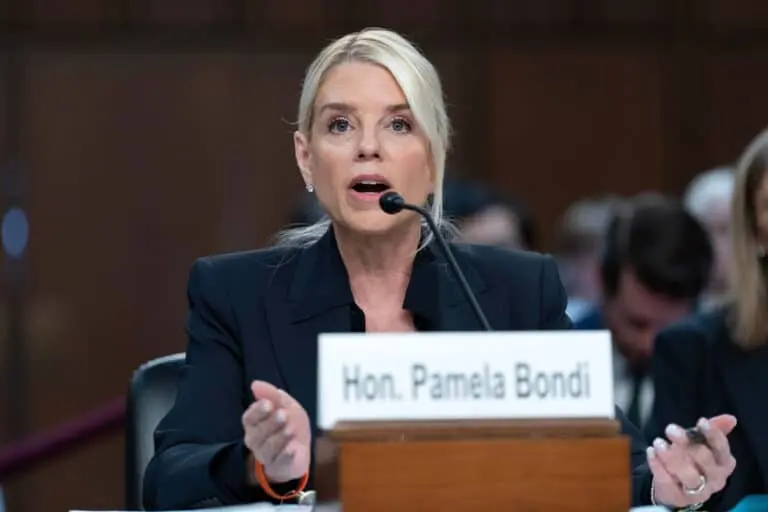
Attorneys supporting Thomas respond that governing organizations have already set eligibility benchmarks based on hormone levels and other criteria, and that revisiting those standards through litigation risks undermining consistency across competitions recognized by international federations and established Olympic qualification systems.
The broader conversation extends beyond a single athlete, reflecting ongoing societal discussions about how institutions reconcile inclusivity with competitive equity while respecting the legal frameworks that govern public education, collegiate associations, and the pathway toward Olympic participation in the future.
Observers note that similar disputes have surfaced in multiple states, prompting legislative proposals and administrative reviews aimed at clarifying eligibility definitions and ensuring that policies remain aligned with evolving scientific research and constitutional protections for all students and institutions involved.
Within this context, the recent ruling is being analyzed not only for its immediate implications but also for how it may shape administrative guidance issued by athletic conferences and national committees responsible for Olympic selection procedures in upcoming qualification cycles.
Bondi, a former state attorney general, has emphasized in public statements that her involvement reflects a broader commitment to what she describes as fairness and transparency within publicly funded sports programs serving female athletes across schools and universities nationwide today.
Thomas, who previously competed under established collegiate regulations, has reiterated through counsel that compliance with governing rules should provide certainty, and that athletes should not be retroactively penalized when they have satisfied the criteria in place at the time required.
Sports law experts suggest that the dispute illustrates the tension between rapidly changing social norms and the slower pace of judicial interpretation, which often requires courts to balance precedent with contemporary understandings of gender and competition in organized athletics today.
They caution that definitive outcomes may take time, particularly if appeals are filed, and note that interim decisions can still influence how athletic departments advise prospective competitors about training plans and qualification strategies for upcoming regional and national trials events.
Athletes currently navigating the qualification process are watching developments closely, aware that eligibility determinations can affect sponsorship prospects, scholarship considerations, and the allocation of limited roster positions within highly competitive programs at both collegiate and international levels of sport competition.
Meanwhile, advocacy organizations on both sides have encouraged respectful dialogue, urging policymakers to rely on credible research and to avoid rhetoric that could deepen divisions among athletes, families, and communities invested in the future of women’s sports across the country.
Educational institutions have also sought guidance from national associations, seeking clarity about compliance obligations tied to federal funding and conference membership, particularly as they prepare athletes for qualifying meets that feed into Olympic selection systems recognized by international governing bodies.
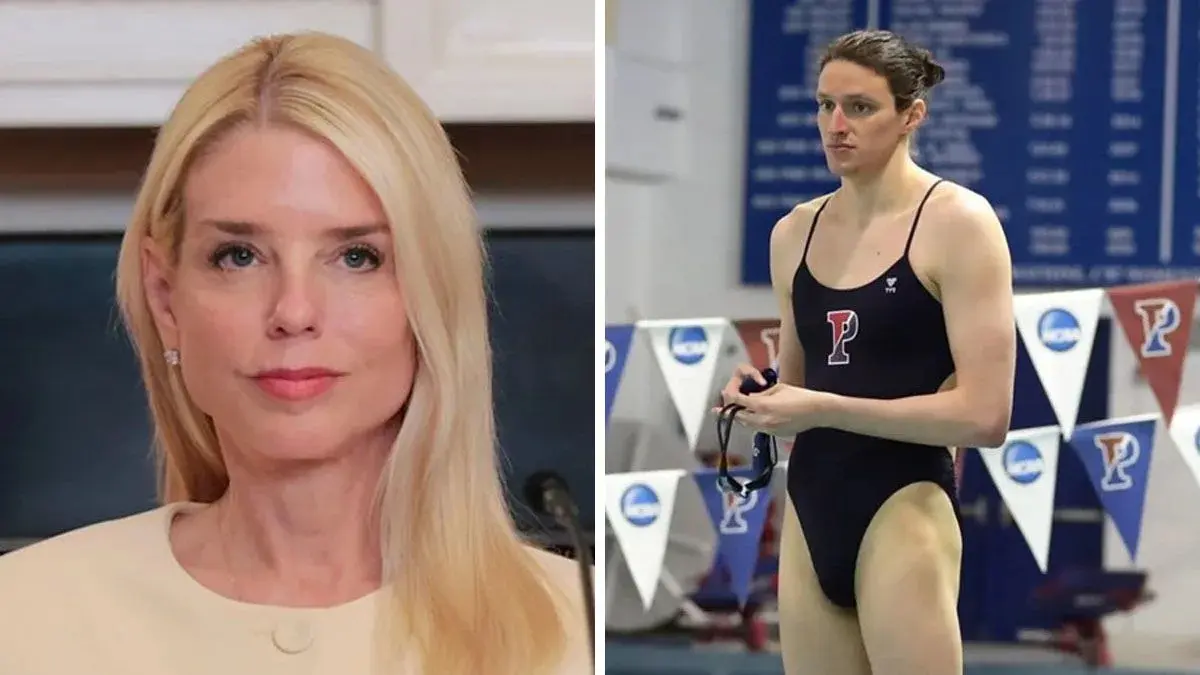
Some analysts believe the ruling could prompt a broader policy review by legislative bodies, while others predict that sports federations will respond through updated technical criteria rather than sweeping structural reforms affecting eligibility standards across multiple competitive divisions nationwide programs.
Regardless of perspective, many agree that the conversation underscores the importance of transparent governance, clear communication, and consistent application of rules so that athletes can plan their careers with confidence in an environment shaped by evolving legal and scientific standards.
International observers are monitoring the situation as well, mindful that decisions within the United States can influence debates in other countries where sports authorities confront similar questions about eligibility and competitive balance in both amateur and professional arenas worldwide today.
For aspiring Olympians, clarity about qualification pathways remains paramount, as training cycles are meticulously planned around specific standards that determine entry into national trials and, ultimately, the Olympic Games where selection committees evaluate performance against established benchmarks and quotas annually.
The discourse has also highlighted the role of scientific advisory panels that provide data on physiology and performance, informing policy decisions that attempt to reconcile inclusion with the preservation of competitive categories within structured frameworks adopted by governing bodies globally.
Community reactions have ranged from strong support to thoughtful concern, yet many voices emphasize that respectful engagement is essential when addressing issues that intersect with identity, opportunity, and long standing traditions in sport across schools clubs and national teams alike.
In interviews, administrators have acknowledged the difficulty of crafting policies that satisfy all stakeholders, noting that athletics operate within legal, cultural, and educational systems that are themselves evolving amid shifting public expectations and ongoing judicial interpretations of existing statutes nationwide.

The current moment may ultimately serve as a reference point for future reforms, illustrating how courts, lawmakers, and sports officials interact when confronting questions that test the boundaries of established regulatory frameworks within competitive structures governing amateur athletics nationwide today.
Whatever the final resolution, participants across the spectrum agree that the integrity of sport depends on rules that are transparent, consistently applied, and responsive to credible evidence while safeguarding opportunities for athletes who meet clearly defined eligibility requirements in competition.
As appeals and policy discussions continue, stakeholders are likely to examine comparative models from other jurisdictions, evaluating how different systems address similar eligibility debates within the framework of international competition while maintaining compliance with domestic legal obligations and funding requirements.
The unfolding developments remind observers that sports governance is an evolving field, shaped by legal precedent, scientific insight, and public values that influence how fairness and inclusion are defined within competitive categories at every level of organized athletics worldwide today.
While opinions differ sharply, many agree that continued dialogue conducted with civility will be essential to ensuring that women’s sports remain vibrant, competitive, and accessible to future generations of athletes pursuing Olympic dreams under fair and clearly articulated rules nationwide.