
The Australian Parliament was plunged into chaos when Sussan Ley erupted with fury, accusing the Albanese government of betraying national security. Her words, sharp and emotional, cut through the chamber, instantly transforming a routine session into a moment of national reckoning.
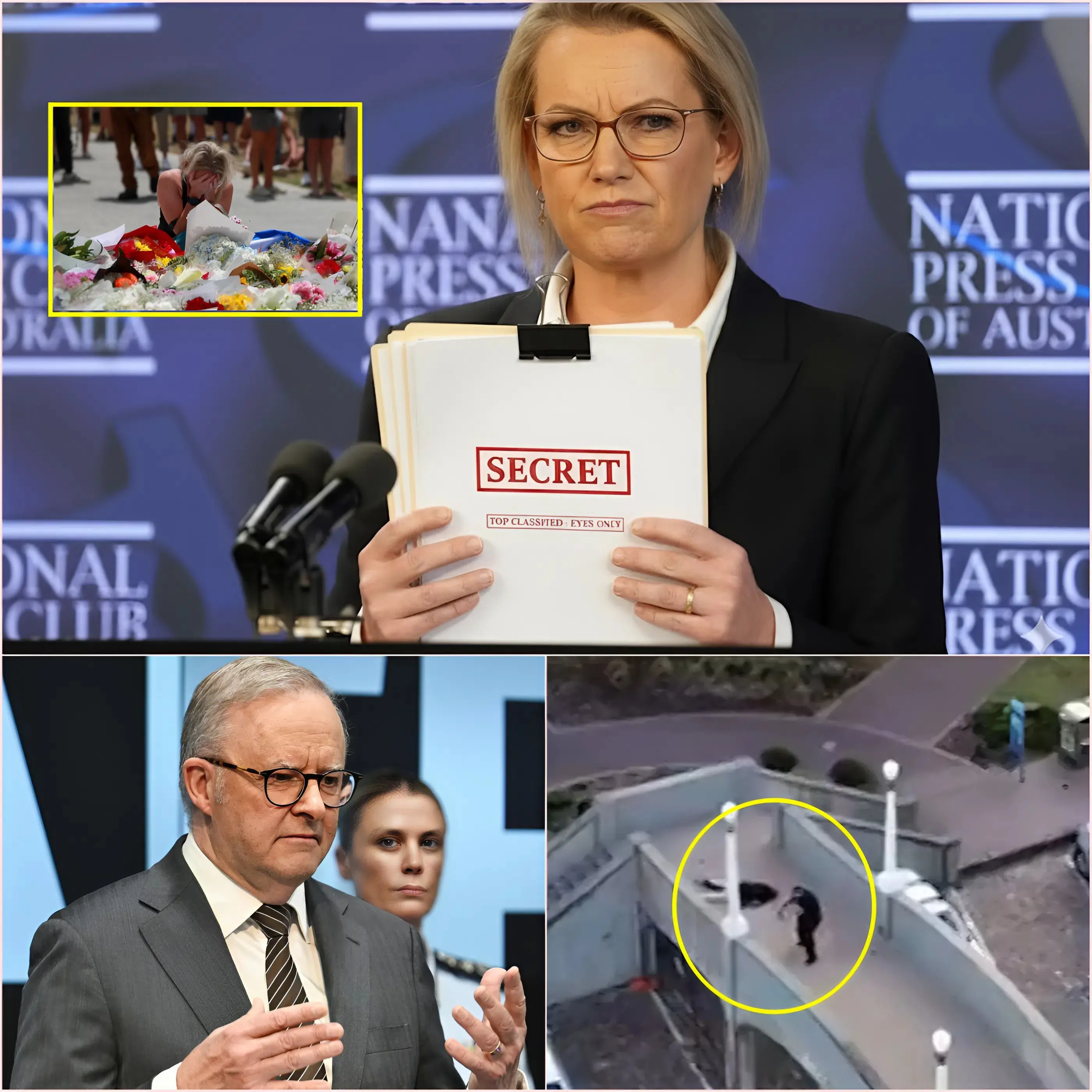
Ley’s explosive outburst followed the bloody Bondi affair, an incident that had already shaken public confidence. She claimed the government’s proposed bill deliberately avoided confronting Islamist extremism, while dangerously overlooking the rise of anti-Semitic threats across Australian society.
Speaking with a trembling voice, Ley described the legislation as “weak” and cowardly. She argued it prioritized political comfort over public safety, warning that such hesitation emboldened extremists who exploit loopholes and silence to advance violence and hatred unchecked.
The opposition frontbencher then stunned Parliament by referencing what she called “confidential evidence.” Though details were withheld, she insisted the material proved the government had been briefed on escalating risks yet chose a softer legislative path for political expediency.
Gasps echoed through the chamber as Ley accused ministers of ignoring expert warnings. She claimed intelligence assessments had highlighted radicalization trends, but the bill failed to address them directly, instead masking hard truths behind vague language and symbolic gestures.
Within minutes, tension escalated beyond Parliament House. Reports confirmed Prime Minister Anthony Albanese convened an emergency meeting just five minutes after Ley’s remarks, signaling the seriousness of the allegations and the potential political damage unfolding in real time.

Within minutes, tension escalated beyond Parliament House. Reports confirmed Prime Minister Anthony Albanese convened an emergency meeting just five minutes after Ley’s remarks, signaling the seriousness of the allegations and the potential political damage unfolding in real time.
Government sources described the meeting as urgent and “extraordinary.” Senior ministers, security advisers, and legal experts were summoned to assess the fallout, while staff scrambled to contain what was rapidly becoming a national political crisis broadcast live across Australia.
Outside Parliament, public reaction was immediate and intense. Australians already unsettled by the Bondi violence flooded social media with outrage, demanding transparency, accountability, and stronger action against extremism, regardless of ideology or political sensitivities.
Hashtags condemning the government trended nationwide within hours. Many users echoed Ley’s language, accusing leaders of weakness and moral failure, while others urged calm, warning against politicizing national tragedies for partisan advantage.
The Albanese government swiftly pushed back, rejecting Ley’s accusations as reckless and inflammatory. Ministers insisted the bill was carefully designed to balance security with civil liberties, arguing that fear-driven rhetoric risked deepening social divisions.
Attorney-General representatives emphasized that extremism legislation must withstand constitutional scrutiny. They argued that overly aggressive laws could be struck down by courts, ultimately weakening national security rather than strengthening it, a claim disputed by opposition figures.
Security analysts offered mixed assessments. Some agreed current laws require modernization to address evolving threats, while others cautioned that simplistic narratives overlook the complexity of radicalization, which cannot be solved solely through harsher legislation.
Yet the mystery surrounding Ley’s “confidential evidence” continued to dominate headlines. Commentators speculated about intelligence briefings, classified reports, or inter-agency warnings that may contradict the government’s public assurances of preparedness and vigilance.
Yet the mystery surrounding Ley’s “confidential evidence” continued to dominate headlines. Commentators speculated about intelligence briefings, classified reports, or inter-agency warnings that may contradict the government’s public assurances of preparedness and vigilance.
Opposition leaders demanded an independent inquiry, arguing only full disclosure could restore public trust. They claimed Australians deserved to know whether warnings were ignored, especially after a violent incident that exposed vulnerabilities in public safety frameworks.
Civil rights groups entered the debate, urging restraint. They warned that fear-fueled policymaking risks stigmatizing communities and undermining social cohesion, stressing that combating extremism requires inclusive strategies alongside firm security measures.
As pressure mounted, Albanese addressed the nation, calling for unity and measured discussion. He acknowledged public anxiety but rejected claims of betrayal, insisting his government remained firmly committed to protecting Australians from all forms of violent extremism.
Behind the scenes, however, insiders admitted the crisis had rattled Labor’s leadership. Pollsters reported a sharp dip in public confidence, while backbenchers worried the controversy could define the government’s security credentials for years.
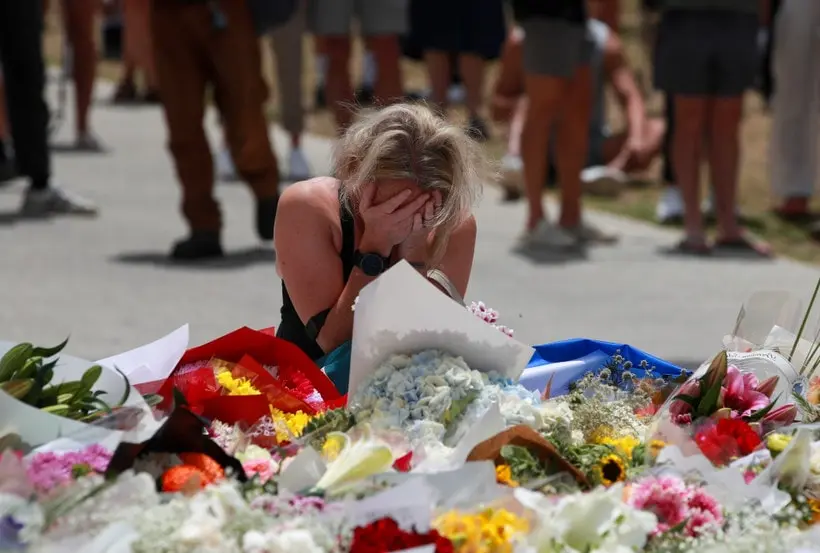
The Bondi affair, once a tragic isolated event, now symbolized broader anxieties about safety, identity, and leadership. Ley’s eruption transformed grief into political confrontation, forcing unresolved questions into the national spotlight.
Whether her claims will be substantiated remains uncertain. If evidence emerges, the government faces severe consequences. If not, critics may accuse Ley of exploiting fear. Either way, the episode has irreversibly shifted Australia’s political landscape.
As Parliament braces for further revelations, Australians watch closely, demanding truth over tactics. The coming days may determine whether this crisis strengthens national resolve or deepens mistrust between leaders and the people they are sworn to protect.
As Parliament braces for further revelations, Australians watch closely, demanding truth over tactics. The coming days may determine whether this crisis strengthens national resolve or deepens mistrust between leaders and the people they are sworn to protect.